



Attiéké is far more than a side dish: it is Côte d'Ivoire's signature dish, a women's know-how passed down for generations and, more recently, a heritage recognized worldwide. This guide brings together everything worth knowing about attiéké — its definition, origin, production, nutritional value and international recognition — by ANAREKA-CI, the national association bringing together producers, restaurateurs and kiosk managers of a trade federated since 1996.
What is attiéké?
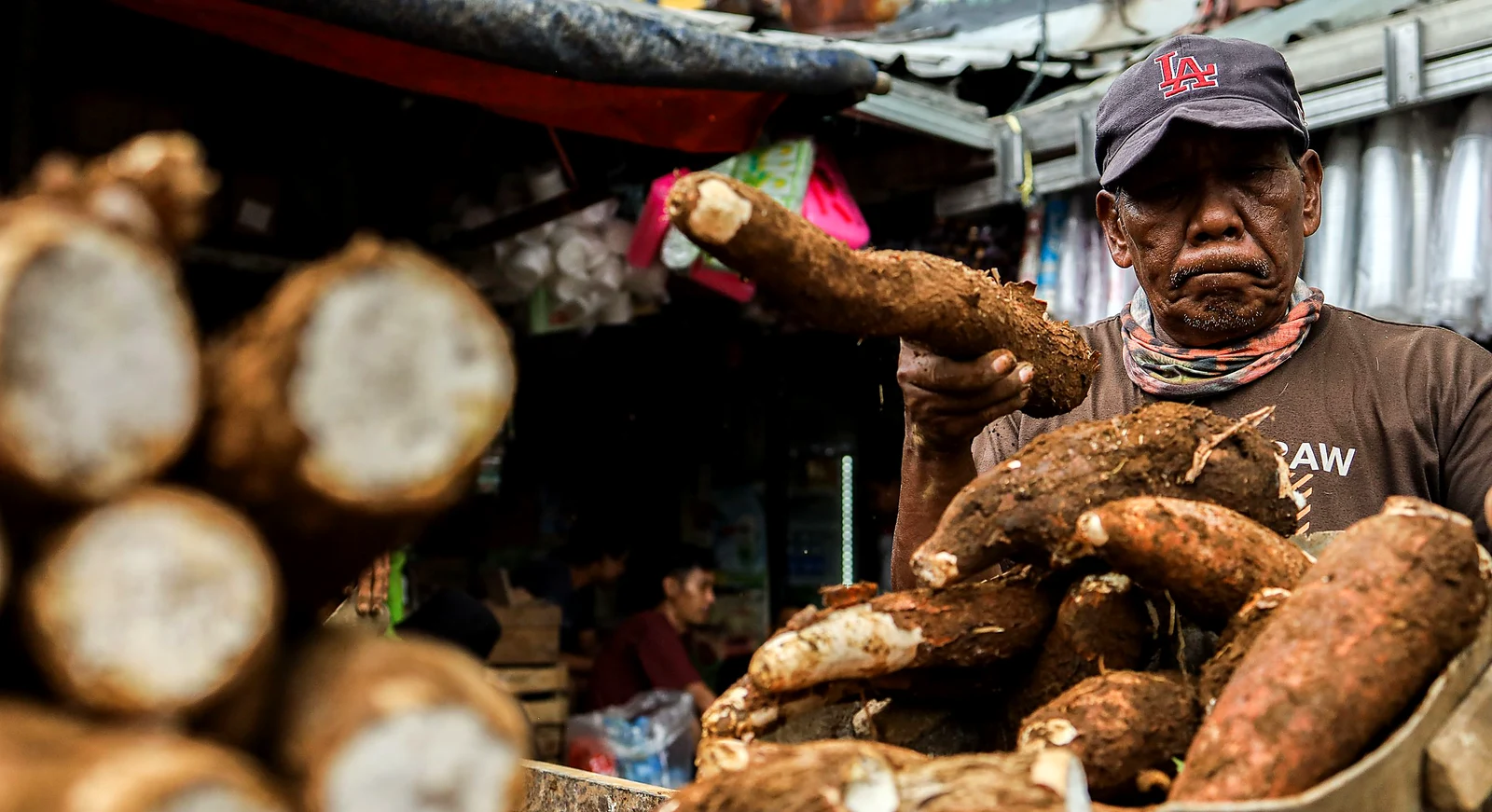
Attiéké is a fermented cassava semolina steamed for serving, often nicknamed "Ivorian couscous". It is made from peeled, grated, pressed cassava roots that are lightly fermented before cooking — a process that gives it its characteristic granular texture and refreshing light tanginess. A staple food in Côte d'Ivoire, it is enjoyed at family meals as well as on the street, alongside grilled fish or garba.
A cultural heritage recognized by UNESCO
On 4 December 2024, during the 19th session of the Intergovernmental Committee for the Safeguarding of the Intangible Cultural Heritage, held in Asunción, Paraguay, attiéké was officially inscribed on UNESCO's Representative List of the Intangible Cultural Heritage of Humanity. This recognition honors a know-how carried mainly by women of the lagoon communities, a guarantor of their financial independence and social inclusion, passed down from mother to daughter for generations.
Attiéké at UNESCO: what the intangible cultural heritage listing means →
Origin and traditional know-how
Attiéké originated in the lagoon communities of southern Côte d'Ivoire, carried notably by the Adjoukrou, Avikam, Alladjan and Ébrié peoples. It was the women of these communities who, historically, developed and perfected the techniques for turning cassava into fermented semolina — a know-how now recognized far beyond Ivorian borders and essential to the economy of many households.
How attiéké is made, from harvest to plate
Artisanal attiéké production follows a precise sequence of steps: harvesting mature cassava, peeling the roots, grinding the pulp, pressing to extract excess water and starch, fermenting and winnowing the resulting semolina, and finally steaming, which gives attiéké its final texture, ready to be served. Each of these steps demands precise know-how, handed down for generations.
See it in pictures: the journey of cassava, from harvest to plate → (FR)
Nutritional value of attiéké
Attiéké is a source of complex carbohydrates, low in fat and protein. Depending on the source, its energy value generally ranges from 150 to 190 kcal per 100 g, with around 38 g of carbohydrates, less than 2 g of protein and less than 1 g of fat. It also provides fiber, potassium, magnesium and vitamin C. Made exclusively from cassava, attiéké is naturally gluten-free, making it a popular alternative to wheat-based semolina and pasta.
Attiéké des Lagunes: Côte d'Ivoire's first IGP
Attiéké des Lagunes refers to attiéké produced according to the traditional know-how of the Adjoukrou, Avikam, Alladjan and Ébrié peoples in the Lagunes region. Along with Pagne Baoulé and Café des Montagnes de Man, it is one of the very first Protected Geographical Indications (IGP) of Côte d'Ivoire, registered on 18 July 2023 with OAPI, the African Intellectual Property Organization. This IGP legally protects the name "Attiéké des Lagunes": it can no longer be used for a product that does not follow the region's traditional production methods or its geographical origin.
Learn more about the Attiéké des Lagunes IGP and the GR-IGP Ambassador → (FR)
A major economic sector in Côte d'Ivoire
Attiéké is not just a dish: it is an economic pillar. According to 2023 data, the trade represents an annual production of roughly 450,000 tonnes, for an estimated turnover of around 70 billion CFA francs. It supports more than 100,000 people across the country — cassava producers, processors, restaurateurs and kiosk managers — making it one of the leading sources of income for many Ivorian households, particularly in the south of the country.
How to enjoy attiéké
Attiéké is traditionally served with grilled or fried fish, fresh vegetables (tomato, onion, chili), and often alloco (fried plantain). It also features in garba, a popular street-food pairing of attiéké and fried tuna sold at kiosks throughout Côte d'Ivoire — one of the symbols of everyday life in Abidjan.
Cooking attiéké: the step-by-step recipe, from steaming to what to serve with it →
Garba: the Ivorian street food recipe made with attiéké →
Sources: RTI, OAPI — Official Bulletin of Industrial Property, AIP — Ivorian Press Agency.
Become a member of ANAREKA-CI