



In December 2024, UNESCO inscribed the know-how related to attiéké production in Côte d'Ivoire on the Representative List of the Intangible Cultural Heritage of Humanity. The decision (19.COM 7.b.31) was adopted at the 19th session of the Intergovernmental Committee in Asunción, Paraguay. Here is what this recognition means in practice.
What is recognised
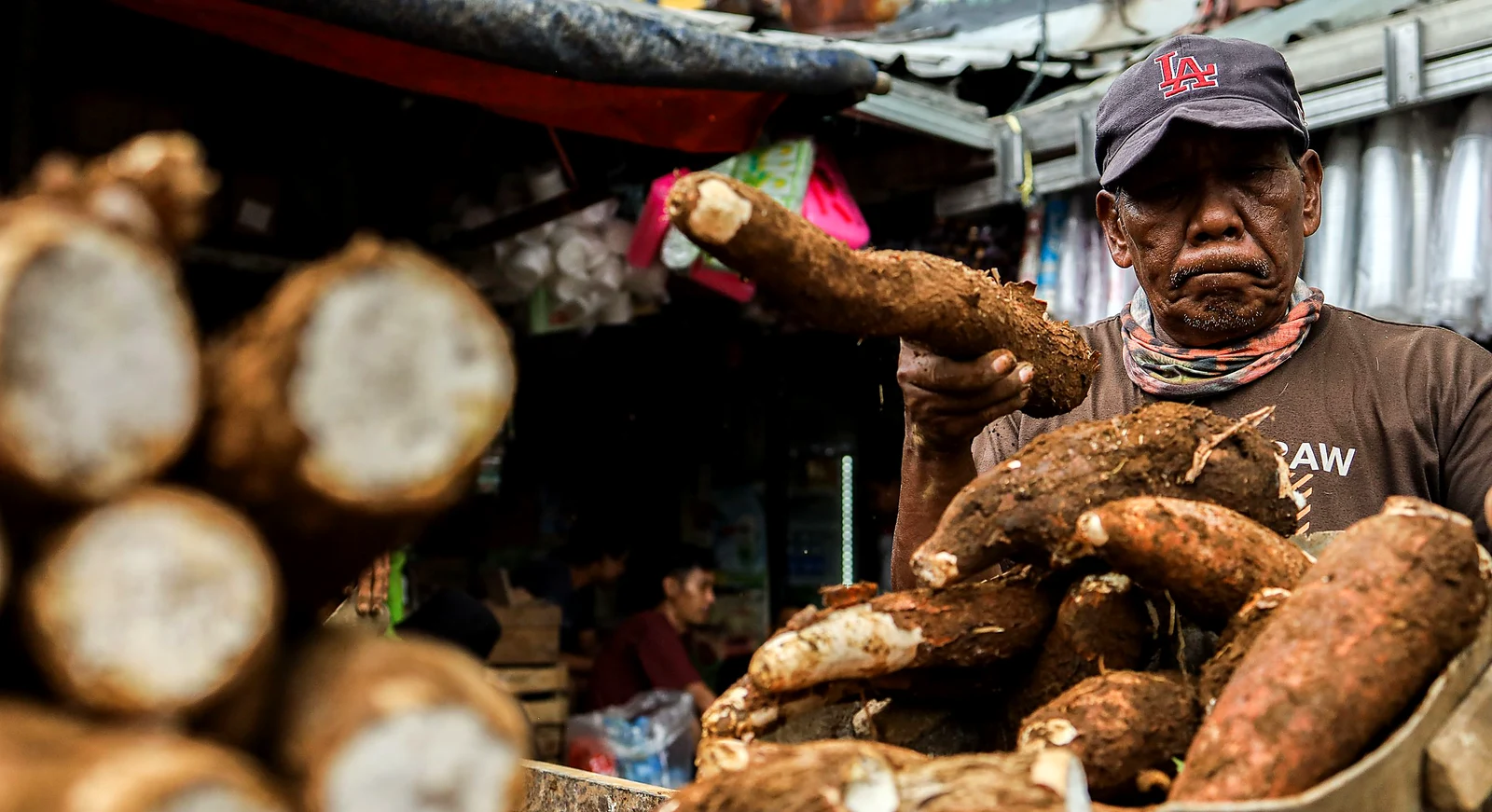
The inscription does not concern a commercial product but a know-how: growing cassava, grinding, fermenting, steaming and packaging attiéké, a cassava semolina similar to couscous. This knowledge is passed down orally and by observation within families.
Who holds this know-how?
According to UNESCO, it is held by the lagoon peoples of Côte d'Ivoire. Women traditionally produce, cook, store and sell attiéké; men take part in growing, harvesting, transporting and grinding the cassava. The Committee also retained this element for its role in women's economic empowerment and community cohesion.
UNESCO and GI: two different protections
The UNESCO listing recognises and encourages the safeguarding of cultural know-how; it does not create property rights over a name. The “Attiéké des Lagunes” geographical indication, registered with OAPI on 18 July 2023, legally protects a name and a geographical origin. The two approaches complement each other: one celebrates the heritage, the other protects the product.
A value chain to support
The recognition comes with attention to safeguarding, notably the risk of excessive commercialisation. This is the heart of ANAREKA-CI's work: it has federated the cassava and attiéké value chain since 1996 and supports women producers, from hygiene to promoting their craft. Discover our missions, our complete attiéké guide and our steamed attiéké recipe.
To go further: the official UNESCO Committee decision (19.COM 7.b.31).
Frequently asked questions

When was attiéké inscribed by UNESCO?
In December 2024, at the 19th session of the Intergovernmental Committee for the Safeguarding of the Intangible Cultural Heritage, held in Asunción (Paraguay). The inscribed element is titled “Know-how related to attiéké production in Côte d’Ivoire”.
What exactly is inscribed: the dish or the know-how?
It is the know-how related to attiéké production that is inscribed on the Representative List of the Intangible Cultural Heritage of Humanity, meaning the practices and knowledge passed down from generation to generation.
What is the difference between the UNESCO listing and the “Attiéké des Lagunes” GI?
UNESCO recognises and encourages the safeguarding of cultural know-how without creating property rights. The geographical indication, registered with OAPI, legally protects a name and a geographical origin.
Who holds this know-how?
According to UNESCO, it is held by the lagoon peoples of Côte d’Ivoire. Women traditionally produce, cook, store and sell attiéké, while men take part in growing, harvesting, transporting and grinding the cassava.